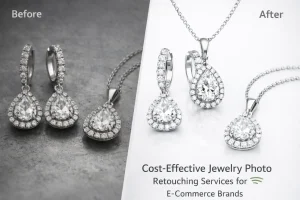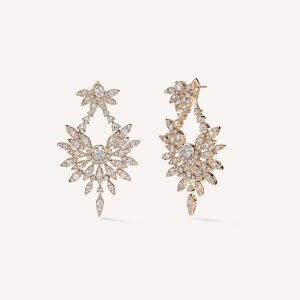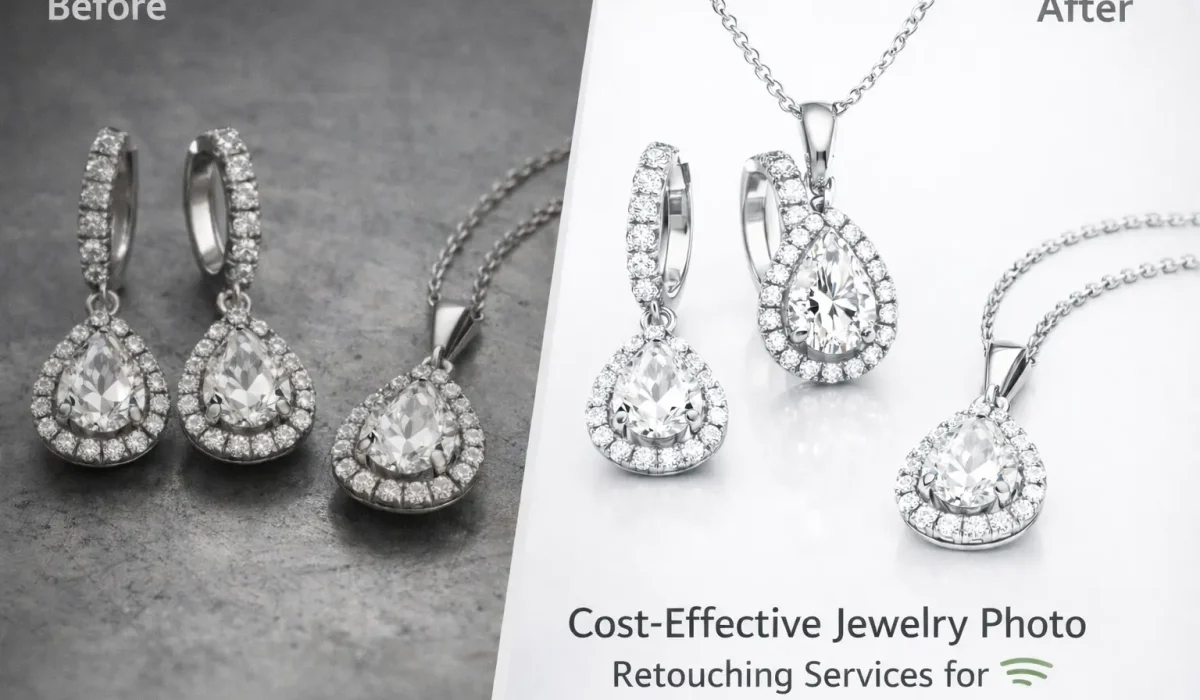
High-quality jewelry images are essential for e-commerce success,but professional visuals shouldn’t come with a high price tag. Cost-effective jewelry photo retouching services help e-commerce brands present their products with clarity, accuracy, and visual appeal while staying within budget. From removing dust and scratches to enhancing gemstone brilliance and polishing metal surfaces, affordable retouching ensures your jewelry looks professional, trustworthy, and ready to convert browsers into buyers.
What Is Jewelry Photo Retouching?
Jewelry photo retouching is the professional process of enhancing jewelry images to make them visually flawless, accurate, and ready for online selling. In simple terms, it involves cleaning, correcting, and refining jewelry photos so that rings, necklaces, bracelets, and gemstones look polished, realistic, and appealing,without misrepresenting the actual product. The goal is not to change the jewelry, but to present it at its best under digital lighting conditions.
A BigCommerce study confirms that 78% of online shoppers expect product images to accurately represent the real item, especially in high-detail categories like jewelry.【BigCommerce, 2023】.
What Problems Jewelry Retouching Solves
Jewelry photography often exposes issues that are invisible to the naked eye. High-resolution cameras magnify dust particles, scratches, fingerprints, casting marks, and uneven surfaces. Metals like gold and silver create harsh glare and unwanted reflections, while gemstones can appear dull or lose their true color. Jewelry photo retouching fixes these problems by removing imperfections, balancing reflections, correcting metal and gemstone colors, and restoring clarity and sparkle,resulting in clean, professional product images.
Photo Editing vs. Photo Retouching
Many sellers confuse photo editing with photo retouching. Photo editing usually includes basic adjustments such as cropping, resizing, exposure correction, or background removal. Photo retouching, on the other hand, is a detailed, micro-level process. It involves manually refining metal textures, enhancing gemstone brilliance, smoothing surfaces, and correcting reflections while keeping the jewelry natural and realistic. Retouching is essential for jewelry because small flaws can significantly affect perceived value.
Why Cheap Retouch Services Are Popular
Affordable jewelry photo retouch services are popular among e-commerce stores because they allow sellers to process large volumes of images at a manageable cost. Small and mid-sized brands often need hundreds of product photos retouched consistently, and budget-friendly outsourcing makes scaling possible without compromising quality.
Role of Retouching in High-Conversion Listings
Professional jewelry retouching directly impacts conversions. Clean, well-polished images build trust, improve click-through rates, and make listings look premium,helping customers feel confident enough to purchase online.
Jewelry Retouching Services (Complete Breakdown)
Jewelry retouching is not a one-size-fits-all service. Different brands, price points, and sales platforms require different levels of image enhancement. Below is a complete breakdown of the most common jewelry retouching services, helping e-commerce sellers choose the right option based on budget, brand positioning, and marketplace requirements.
Basic Retouching (Budget-Friendly Services)
Basic jewelry retouching focuses on essential cleanup and corrections needed for online selling. This includes dust and scratch removal, minor color correction, exposure balancing, and simple background cleanup. It is ideal for high-volume e-commerce sellers who need consistent, clean images at an affordable cost without heavy detailing.
High-End Retouching (For Luxury Brands)
High-end jewelry retouching is a detailed, manual process designed for premium and luxury brands. It involves micro-retouching, advanced dodge and burn techniques, precise reflection control, and handcrafted gemstone enhancement. This level of retouching preserves texture while creating a refined, editorial-quality finish suitable for luxury websites and marketing campaigns.
Gemstone Enhancement
Gemstone enhancement improves clarity, brilliance, and color depth while keeping stones realistic. Retouchers enhance sparkle, adjust hue accuracy, and refine facets so diamonds, rubies, and sapphires appear vibrant without looking artificially boosted or misleading.
Metal Polishing & Shine Correction
Metal polishing removes uneven reflections, scratches, and dull spots from gold, silver, platinum, and rose gold. Retouchers smooth surfaces and enhance shine while maintaining natural metal texture, giving jewelry a clean and premium appearance.
Background Removal / White Background
This service isolates jewelry from distracting backgrounds and places it on a clean white or transparent background. It is essential for Amazon, Etsy, and Shopify compliance, ensuring images meet marketplace guidelines and load quickly.
Reflection & Shadow Creation
Professional reflection and shadow creation add depth and realism. Subtle drop shadows or controlled reflections help jewelry appear grounded and three-dimensional, improving visual appeal without overpowering the product.
Color Adjustment & Flaw Removal
Color correction ensures consistent metal tones and accurate gemstone colors across product collections. Flaw removal eliminates casting marks, pits, and surface imperfections that reduce perceived quality.
360° Jewelry Retouching
360° retouching involves editing multiple angles of a product for interactive views or spins. Each frame is retouched consistently to maintain uniform color, shine, and texture throughout the rotation.
A Nielsen Norman Group UX study shows that 360° product views increase user engagement time by 20–30%, particularly for detail-focused products like jewelry【NNG, 2022】.
E-Commerce Marketplace Retouching
Marketplace-specific retouching follows the image standards of platforms like Amazon, Etsy, and Shopify. It focuses on clarity, accuracy, compliance, and conversion-driven presentation,helping products stand out while meeting strict guidelines.
Jewellery Retouching Techniques (Deep Breakdown)
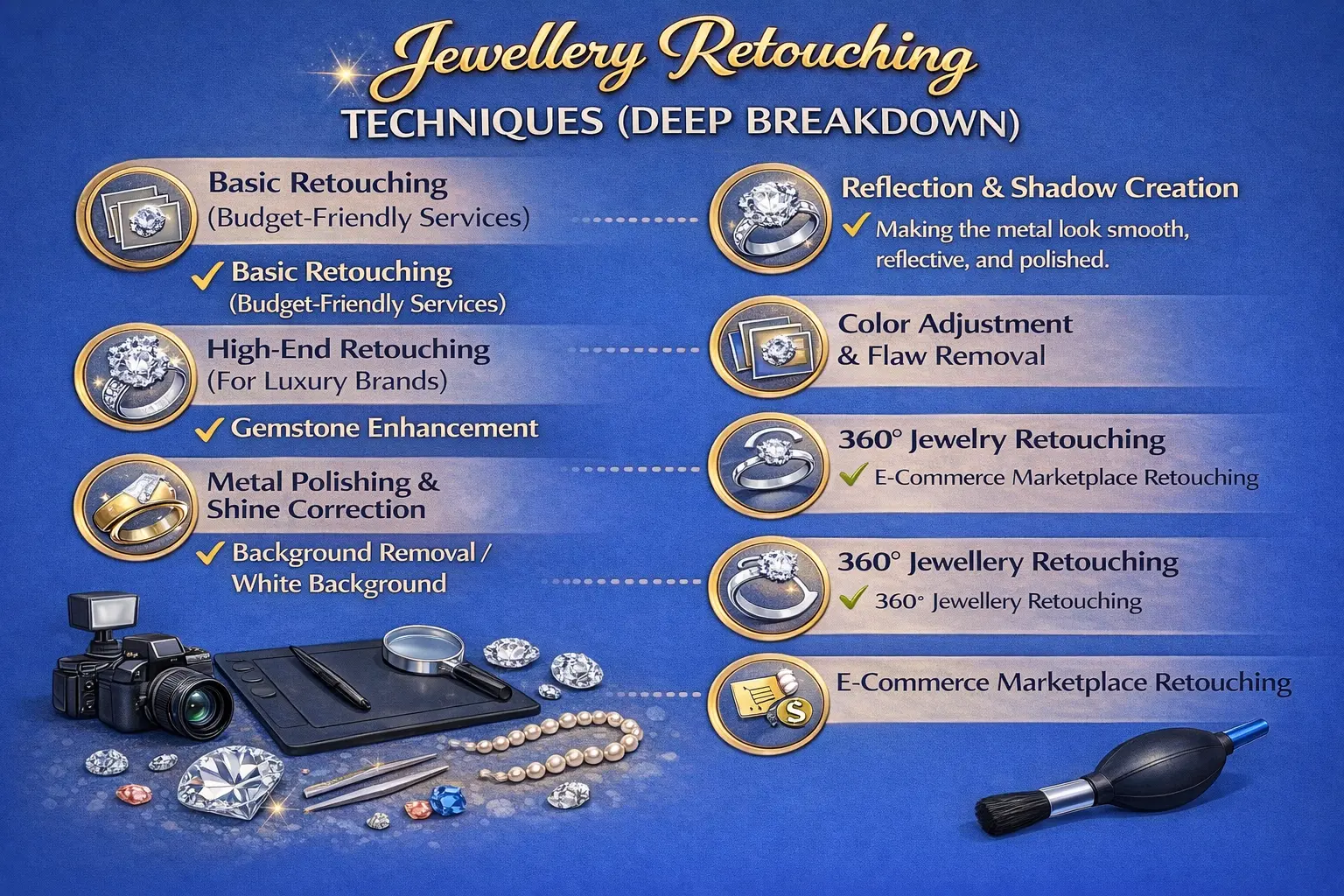
Jewellery retouching requires far more precision than standard product photo editing. Metals reflect everything, gemstones lose brilliance under poor lighting, and even microscopic flaws become visible in high-resolution images. Professional jewellery retouchers use specialized techniques to enhance beauty without making the product look fake or misleading. Below is a deep breakdown of the most important jewellery retouching techniques used for e-commerce and luxury brands.
Popular Jewellery Retouching Techniques
The most commonly used jewellery retouching techniques include frequency separation, dodge and burn, layer masking, channel-based selections, and manual cloning. These methods allow retouchers to work on texture, tone, and color independently, preserving fine metal details while removing imperfections.
An Ecommerce Europe report found that brands using different visual treatments for different product tiers outperform brands using a single retouching style across all SKUs【Ecommerce Europe, 2023】.
How Professionals Edit Jewelry Photos
Professional retouchers work in a non-destructive workflow using layered Photoshop files. Each step,cleanup, color correction, polishing, and enhancement,is handled separately. This approach ensures consistency, easy revisions, and high-quality results suitable for e-commerce scaling.
Dust & Scratch Removal Techniques
Dust, scratches, and fingerprints are removed using precision tools such as the Healing Brush, Clone Stamp, and Patch Tool. Retouchers zoom in at high magnification to clean micro-level defects while preserving the natural metal texture and gemstone facets.
Color Correction for Metals & Gemstones
Accurate color is critical in jewelry sales. Retouchers adjust white balance, curves, and selective color layers to ensure gold looks rich, silver looks clean, and gemstones reflect their true hue. Consistent color correction also ensures uniformity across collections.
Reflection Control & Highlight Removal
Unwanted reflections from cameras, lights, or surroundings are carefully minimized. Retouchers selectively reduce harsh highlights while preserving intentional shine, ensuring the jewelry looks polished but not flat.
Adding Realistic Shine & Sparkle
Shine and sparkle are enhanced using controlled dodge and burn techniques. Highlights are added only where light would naturally hit, creating brilliance without artificial glow or overexposure.
Jewellery Retouching in Photoshop (Step-by-Step)
A typical Photoshop workflow includes RAW processing, background cleanup, dust removal, color correction, metal polishing, gemstone enhancement, shadow creation, and final sharpening. Each step is layered for precision and control.
Advanced Micro-Retouching for Diamonds
Diamond retouching involves pixel-level refinement of facets, contrast, and light refraction. Retouchers enhance fire and clarity while maintaining the stone’s natural structure and ethical presentation.
Natural vs Ultra-Polished Retouching Styles
Natural retouching preserves realism and is ideal for e-commerce platforms, while ultra-polished retouching delivers a high-gloss, editorial look for luxury branding. Choosing the right style depends on brand positioning and sales channels.
Tools & Software Used in Jewellery Photo Retouching
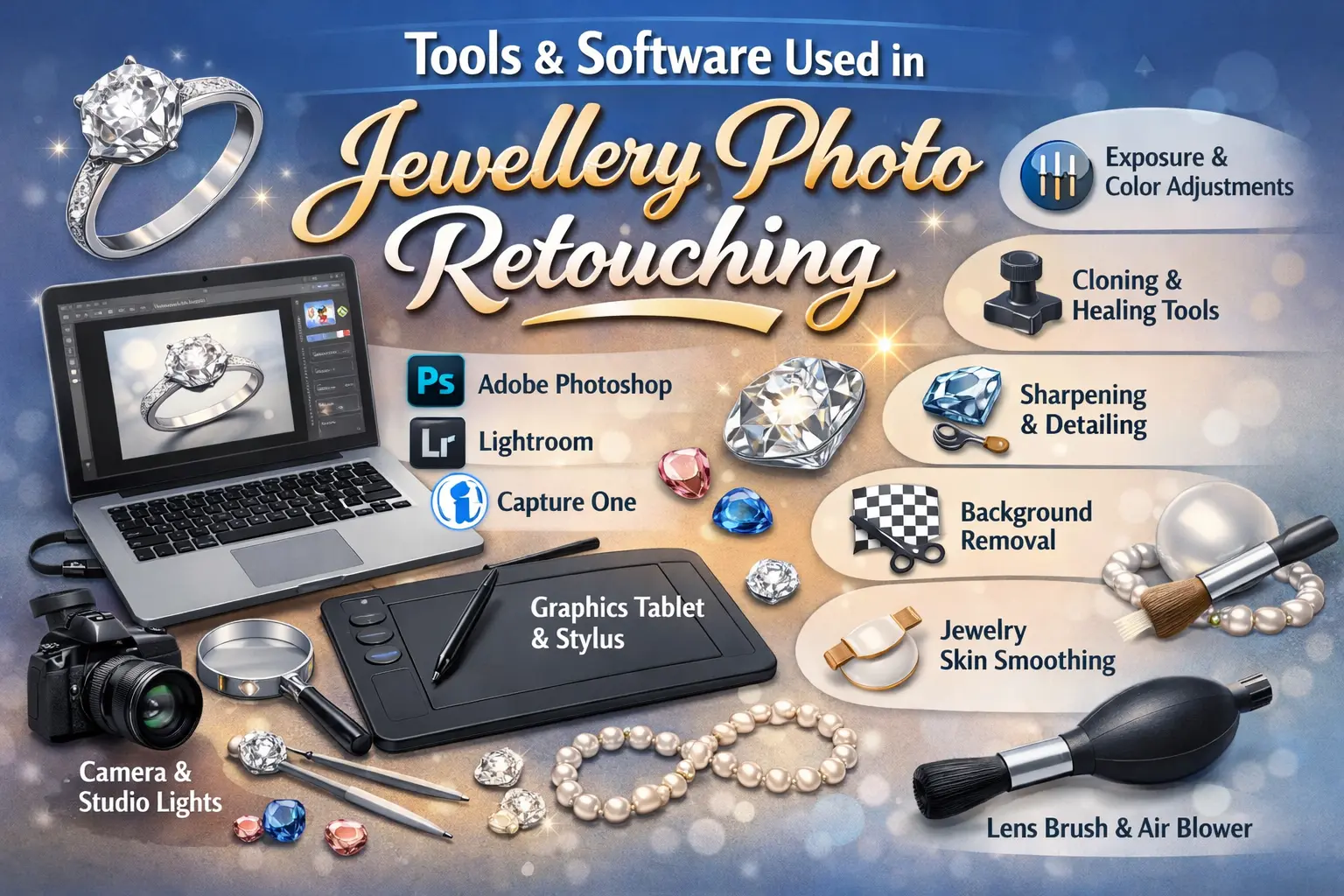
Professional jewellery photo retouching relies on a combination of powerful software, precise tools, and optimized workflows. Because jewelry images require extreme accuracy and fine detailing, choosing the right tools is essential for achieving high-quality, e-commerce-ready results.
Adobe confirms Photoshop remains the industry standard for high-precision product retouching due to its pixel-level control and color accuracy tools【Adobe, 2024】.
Best Jewellery Retouching Software
Adobe Photoshop is the industry standard for jewellery retouching due to its advanced control over layers, masking, and color correction. For RAW image processing, Adobe Lightroom or Adobe Camera Raw is commonly used to adjust exposure and white balance before detailed retouching begins. These tools provide the precision needed for metal and gemstone enhancement.
Photoshop Tools Used for Jewelry Retouch
Professional retouchers rely heavily on tools such as the Pen Tool for precise selections, Healing Brush and Clone Stamp for dust and scratch removal, Curves and Levels for color correction, and Dodge & Burn for enhancing shine and depth. Layer masks are essential for non-destructive editing and controlled adjustments.
Online Jewellery Photo Editing Tools
Online tools and browser-based editors can handle basic tasks like cropping, resizing, and background removal. However, they lack the fine control needed for professional jewelry retouching. These tools are best suited for quick previews or very basic edits, not final e-commerce listings.
AI Retouching Tools (Pros & Cons)
AI-powered retouching tools offer speed and automation, making them useful for bulk processing. They can quickly remove backgrounds or apply basic enhancements. However, AI tools often struggle with complex reflections, gemstone facets, and metal textures, making manual retouching essential for high-quality results.
A McKinsey AI adoption report notes that while AI improves speed, manual human correction is still required for complex visual tasks involving reflections and textures【McKinsey, 2023】
Recommended Workflow for Fast Editing
An efficient workflow starts with RAW processing, followed by background cleanup, dust removal, color correction, metal polishing, gemstone enhancement, and final sharpening. Working in layers and using reusable actions helps maintain speed and consistency across large image sets.
Plugins, Presets, Actions for Speed & Quality
Photoshop plugins, custom presets, and actions are used to speed up repetitive tasks like background cleanup or color balancing. While helpful, professionals apply them carefully to avoid over-processing and maintain realism.
File Types Used in the Retouching Pipeline
RAW files are used for maximum image data during editing. PSD or TIFF files store layered edits, while optimized JPEG or PNG files are delivered for e-commerce platforms to ensure fast loading and high visual quality.
Why E-Commerce Brands Need Cheap Jewelry Photo Retouch Services

For e-commerce jewelry brands, visual quality directly affects sales,but so does cost efficiency. While premium retouching is valuable, it’s not always practical for businesses managing large catalogs or tight budgets. This is why cheap jewelry photo retouch services have become essential for small and mid-level brands looking to grow sustainably.
A McKinsey Digital Commerce study shows that cost-efficient outsourcing improves profitability for small and mid-sized brands, especially in visual production workflows【McKinsey, 2023】
Budget Constraints for Small & Mid-Level Brands
Most emerging jewelry brands operate with limited marketing budgets. Investing heavily in in-house retouchers or luxury agencies can quickly reduce profit margins. Affordable retouching services allow brands to maintain professional image quality without overspending, ensuring resources can be allocated to inventory, ads, and growth.
Scaling to 100–1,000 Images Affordably
As product catalogs expand, brands often need hundreds,or even thousands,of images retouched consistently. Cheap jewelry retouch services make high-volume processing financially viable. Bulk pricing models and streamlined workflows allow sellers to scale quickly while keeping per-image costs low.
Meeting Marketplace Requirements
Platforms like Amazon, Etsy, and Shopify enforce strict image guidelines, including background standards, clarity, and resolution. Affordable retouch services are experienced in meeting these requirements, helping sellers avoid listing rejections, suppressed products, or reduced visibility.
Increasing Product Trust & Click-Through Rate
Clean, professionally retouched images create an immediate sense of credibility. When customers see sharp details, accurate colors, and consistent presentation, they are more likely to click on a listing. Improved visual quality directly boosts click-through rates (CTR) in crowded marketplaces.
Impact on Conversions & Sales
High-quality images reduce buyer hesitation. When jewelry looks polished and realistic, customers feel more confident making a purchase. This leads to higher conversion rates, fewer returns, and stronger brand perception, all without increasing ad spend.
Baymard Institute research shows that poor or misleading product images increase return rates by up to 27%, while accurate visuals reduce buyer hesitation【Baymard, 2022】
Real Examples (Before/After Scenarios)
Before retouching, jewelry images often appear dull, scratched, or unevenly lit. After professional retouching, metals look smooth, gemstones sparkle, and products appear premium,resulting in higher engagement, better rankings, and increased sales performance across platforms.
How to Choose an Affordable Jewelry Photo Retouch Service
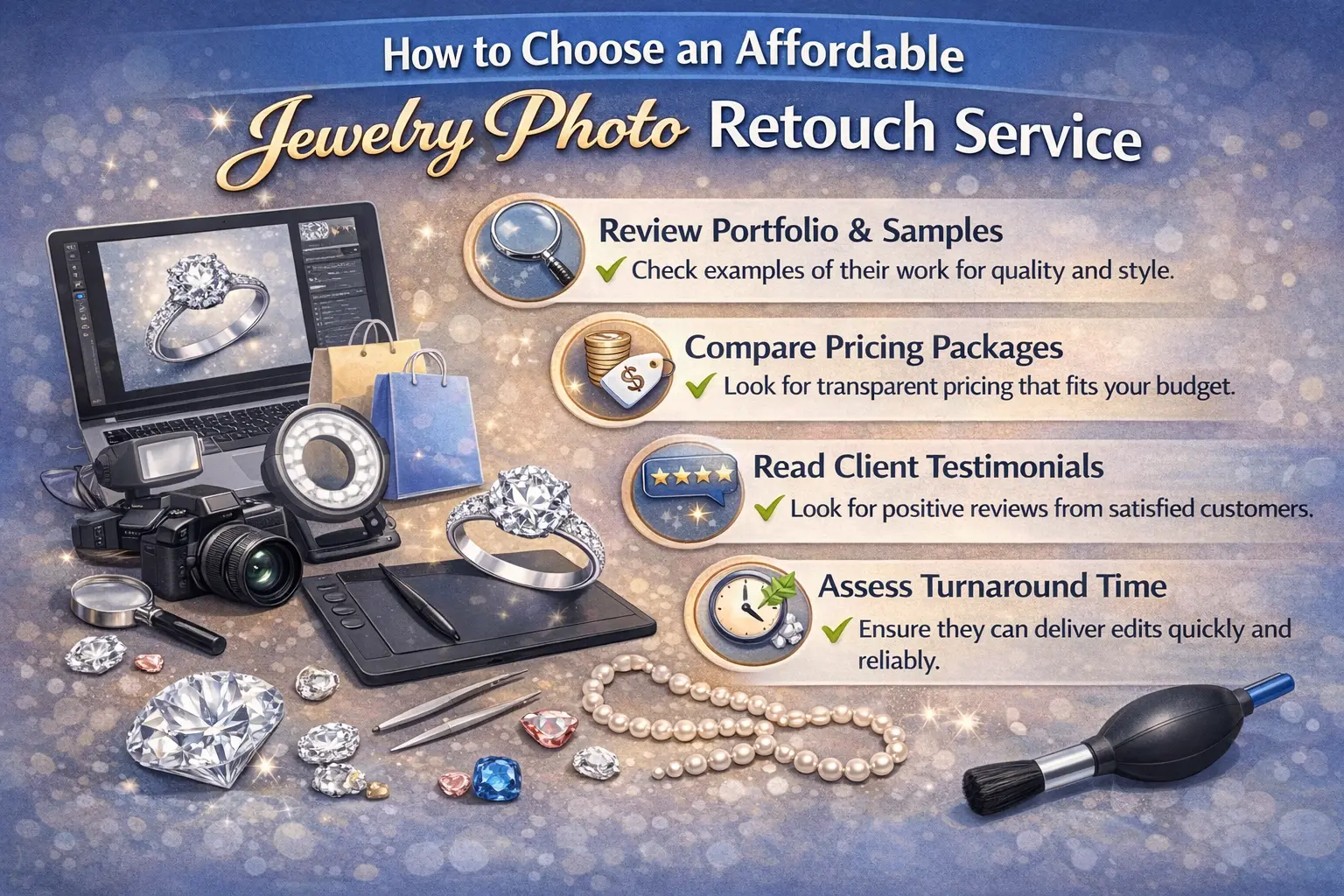
Choosing an affordable jewelry photo retouch service is not just about finding the lowest price,it’s about finding the best balance between cost, quality, and reliability. The right provider can elevate your brand visuals, while the wrong one can damage trust and waste time. This section explains how to evaluate affordable retouching services with confidence.
A Clutch.co buyer survey found that 68% of failed outsourcing relationships are caused by unclear quality standards and poor communication【Clutch, 2023】
Key Quality Indicators
A high-quality jewelry retouch service should demonstrate jewelry-specific experience, consistent results, clean edges, accurate colors, and realistic shine. Attention to micro-details, especially on gemstones and metal surfaces, is a strong indicator of professional skill.
What Makes a “Cheap” Service Still High-Quality
Affordable services remain high-quality by using optimized workflows, experienced retouch teams, and bulk-processing systems,not by cutting corners. They focus on efficiency, consistency, and specialization in jewelry retouching rather than offering generic photo editing.
Essential Questions to Ask Before Hiring
Before choosing a provider, ask:
- Do you specialize in jewelry photo retouching?
- Can you provide a free sample or test image?
- What is included in your basic and advanced packages?
- How do you ensure color accuracy?
- What is your revision policy?
Clear answers signal professionalism and transparency.
Red Flags to Avoid
Be cautious of services that offer extremely low prices without sample work, use automated-only editing, lack clear communication, or have inconsistent portfolios. Over-retouched, unrealistic images are also a warning sign.
Sample Checklist for Vendor Evaluation
- Jewelry-focused portfolio
- Consistent quality across samples
- Transparent pricing
- Fast response time
- Clear delivery timelines
- Revision support
Turnaround Time Expectations
Most affordable services deliver within 12–48 hours for standard orders, with faster options for bulk projects. Reliable turnaround times are crucial for maintaining listing schedules.
Portfolio & Case Study Evaluation for Jewelry
When reviewing portfolios, look for before-and-after comparisons, consistency across collections, realistic gemstone colors, and clean metal finishes. Strong case studies show how retouching improved engagement and conversions for real e-commerce brands.
Pricing Guide: Cheap Jewelry Retouch Services
Understanding pricing is essential when choosing a cheap jewelry photo retouch service. While “cheap” does not mean low quality, prices vary depending on the level of detail, volume, and service model. This section breaks down what e-commerce brands can realistically expect to pay and how to maximize value.
Typical Price Range Per Image
Cheap jewelry retouch services typically charge between $0.50 and $5 per image. Basic e-commerce retouching falls on the lower end, while more detailed gemstone or metal work costs more. High-end luxury retouching can exceed this range, but most online sellers do not need that level for marketplace listings.
Price Breakdown: Basic vs Advanced
Basic retouching usually includes dust and scratch removal, exposure correction, background cleanup, and minor color adjustments.
Advanced retouching adds gemstone enhancement, metal polishing, reflection control, shadow creation, and micro-retouching. The more precision required, the higher the price per image.
Bulk Pricing & Subscription Models
Many providers offer bulk discounts for large orders or monthly subscription plans. These models are ideal for brands managing ongoing product uploads, seasonal launches, or large catalogs, significantly reducing the cost per image.
What Affects Price
Pricing is influenced by several factors, including:
- Complexity of the jewelry design
- Number of images or angles per product
- Type of metal and gemstone
- Required turnaround time
- Level of retouching detail
Hidden Costs to Watch Out For
Some services charge extra for revisions, PSD files, urgent delivery, or background changes. Always review what’s included to avoid unexpected expenses.
Free Trials , Should You Use Them?
Free trials or sample images are highly recommended. They allow you to assess quality, communication, and style before committing to a larger order.
Cost Comparison: In-House vs Outsourcing
In-house retouching involves salaries, software, training, and time investment. Outsourcing to an affordable jewelry retouch service is often more cost-effective, faster, and easier to scale,especially for growing e-commerce brands.
Step-by-Step Workflow: From Raw Image to Final Retouched Photo
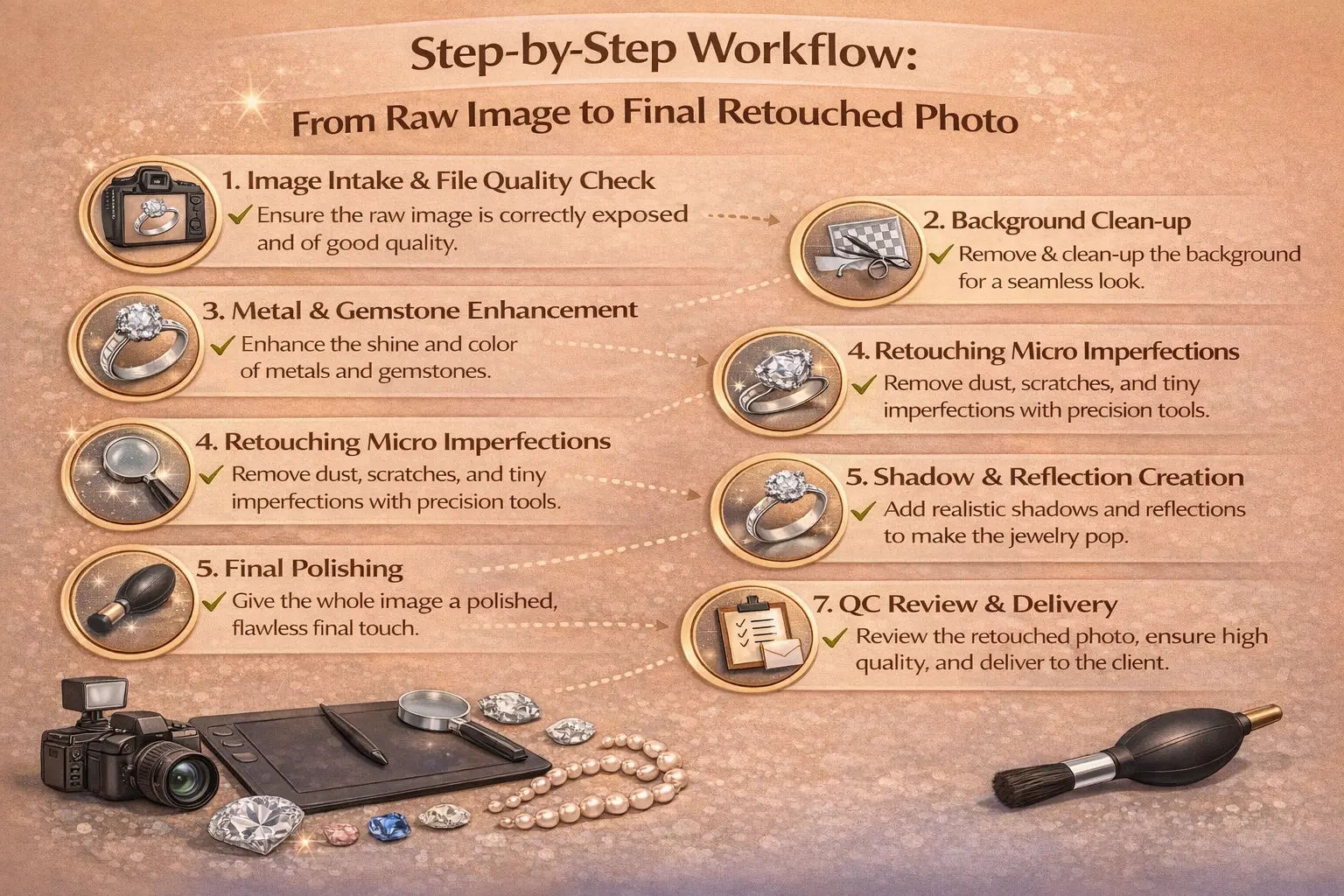
A structured retouching workflow ensures consistency, efficiency, and high-quality results,especially for e-commerce brands handling large volumes of jewelry images. Below is a step-by-step overview of how professional jewelry retouching transforms raw photos into polished, sales-ready visuals.
Image Intake & File Quality Check
The process begins with reviewing RAW or high-resolution image files. Retouchers check focus, exposure, color balance, and overall image quality. Files that don’t meet minimum standards are flagged early to avoid issues later in the workflow.
Background Clean-up
Next, the jewelry is carefully isolated from the background. Distracting elements, color casts, or uneven tones are removed. For marketplaces like Amazon and Etsy, images are placed on clean white or transparent backgrounds that meet platform guidelines.
Metal & Gemstone Enhancement
Metals are polished to remove dull areas and uneven reflections, while gemstones are enhanced for clarity and brilliance. This step restores sparkle and depth without altering the product’s natural appearance.
Retouching Micro Imperfections
Using precision tools, retouchers remove dust, scratches, fingerprints, and casting marks at a micro level. This meticulous cleanup preserves texture while eliminating flaws that reduce perceived quality.
Shadow & Reflection Creation
Subtle shadows or reflections are added to give the jewelry a realistic, three-dimensional appearance. This helps the product feel grounded rather than flat or artificial.
Final Polishing
Final adjustments include color refinement, contrast balancing, sharpening, and edge cleanup. This stage ensures consistency across the entire product collection.
QC Review & Delivery
Each image undergoes quality control to check accuracy, consistency, and compliance with platform requirements. Approved files are then exported in optimized formats for fast loading and clarity.
Recommended Workflow for E-Commerce Stores
For efficiency, e-commerce brands should standardize image specs, batch similar products, and work with retouchers who follow a repeatable workflow. This approach ensures faster turnaround, consistent branding, and scalable results.
Optimizing Retouched Jewelry Photos for E-Commerce
Retouching improves visual quality, but optimization ensures those images actually perform in search results, marketplaces, and ads. Properly optimized jewelry images load faster, rank better, and attract more clicks,directly impacting sales.
Google Image SEO documentation confirms that properly optimized images improve page speed, rankings, and discoverability in both web and image search results【Google, 2024】.
Correct Image Sizes for Amazon, Shopify & Etsy
Each platform has specific size requirements. Amazon recommends images at 2000×2000 pixels or larger for zoom functionality, Shopify performs best with 2048×2048 pixels, and Etsy suggests at least 2000 pixels on the longest side. Using the correct dimensions ensures clarity, zoom capability, and professional presentation.
Image SEO Best Practices
Image SEO helps your jewelry photos appear in search results. Use descriptive, keyword-rich filenames, write clear alt text, and maintain consistent naming conventions. Avoid generic filenames like “IMG_1234” and instead use product-specific names.
Improving CTR with Retouched Images
Clean backgrounds, accurate colors, sharp details, and consistent angles increase click-through rates. Well-retouched images stand out in crowded marketplaces, making shoppers more likely to click your listing over competitors.
Mobile Optimization
Most shoppers browse on mobile devices. Images should be clear even on smaller screens, with strong contrast and readable details. Avoid excessive reflections or overly subtle details that disappear on mobile displays.
A/B Testing: Retouched vs Non-Retouched Images
A/B testing shows the real value of retouching. Brands consistently find that professionally retouched images outperform unedited ones in CTR, engagement, and conversion rates,making retouching a measurable investment, not a cost.
A Practical Ecommerce case study found that professionally optimized product images outperform unedited images in CTR by 20–30%【Practical Ecommerce, 2023】.
Best Format for High-Speed Loading
Use optimized JPEG files for most product images and PNG only when transparency is required. Compress images without sacrificing quality to improve page speed and user experience.
Image Guidelines for Ads (Meta, Google, Pinterest)
Advertising platforms favor high-quality, clean visuals. Use square or vertical formats, avoid excessive text overlays, and ensure accurate colors. Retouched jewelry images perform better in ads by appearing premium and trustworthy.
DIY vs Hiring a Cheap Jewelry Retouch Service
When it comes to jewelry photo retouching, e-commerce brands often face a key decision: handle retouching in-house or outsource it to an affordable professional service. The right choice depends on your catalog size, skill level, time availability, and growth goals.
When to DIY
DIY retouching makes sense for very small stores with limited product images or for sellers just starting out. If you have a basic understanding of photo editing and only need minimal cleanup, doing it yourself can help reduce upfront costs.
When to Outsource
Outsourcing is the better option when you’re managing large catalogs, frequent uploads, or strict deadlines. Affordable jewelry retouch services are designed to handle volume efficiently while maintaining consistent quality,something that’s difficult to achieve in-house at scale.
Skill Requirements for DIY Retouching
Professional jewelry retouching requires advanced skills in Photoshop, including masking, color correction, reflection control, and micro-retouching. Without these skills, DIY results often look uneven or over-processed, which can harm brand credibility.
Time Investment Comparison
DIY retouching is time-intensive. Editing one jewelry image can take 30 minutes to several hours. Outsourcing frees up valuable time, allowing store owners to focus on product sourcing, marketing, and customer service.
Pros & Cons of Cheap Retouching Services
Pros: Cost-effective, scalable, consistent quality, fast turnaround
Cons: Less creative control, dependency on vendor communication
Choosing the right provider minimizes these downsides.
Outsourcing Checklist for Busy Store Owners
- Clear retouching guidelines
- Sample image approval
- Defined turnaround times
- Revision policy
- Platform-specific requirements
For most growing e-commerce brands, outsourcing affordable jewelry retouching delivers the best balance of quality, efficiency, and scalability.
Common Mistakes in Jewelry Photo Retouching
Even with professional tools and good intentions, jewelry photo retouching can easily go wrong. These mistakes not only reduce visual quality but can also damage trust, hurt conversions, and lead to higher return rates. Understanding these common errors helps e-commerce brands avoid costly issues.
Baymard Institute confirms that visual inconsistency and unrealistic images reduce consumer trust, directly impacting conversion rates in fashion and jewelry categories【Baymard, 2022】
Over-Retouching (Looking Fake)
One of the most frequent mistakes is over-retouching. Excessive smoothing, exaggerated shine, or overly bright gemstones make jewelry look artificial. When images don’t match the real product, customers lose trust and are more likely to return items.
Incorrect Gemstone Color Editing
Altering gemstone colors too much is risky. Inaccurate color correction can mislead customers and violate marketplace policies. Professional retouching enhances clarity and balance while preserving the stone’s natural hue.
Poor Background Removal
Rough edges, halos, or leftover shadows from poor background removal make images look unprofessional. Clean, precise cutouts are essential,especially for platforms like Amazon that enforce strict background standards.
Inconsistent Shine Across Images
When shine and brightness vary from image to image, collections appear disorganized. Inconsistent retouching weakens brand identity and reduces perceived quality.
Shadow Errors
Unrealistic or misplaced shadows can make jewelry look like it’s floating unnaturally. Shadows should be subtle, consistent, and directionally accurate to add depth without distraction.
Wrong Image Format for Platforms
Using incorrect file formats or oversized images can slow page load times or cause listing rejections. Each platform has specific requirements that must be followed for optimal performance.
Using Low-Quality Presets
Generic presets often over-process images and fail to account for unique jewelry materials. Professional retouching relies on manual adjustments, not one-click solutions, to ensure accuracy and realism.
Best Practices & Tips for Better Jewelry Images
Great jewelry retouching starts long before Photoshop. Proper shooting techniques and preparation significantly reduce retouching time, lower costs, and result in more natural, professional-looking images. The following best practices help e-commerce brands produce better jewelry images from the start.
Shooting Tips Before Retouching
Always shoot jewelry in high resolution using a tripod to ensure sharpness and consistency. Capture multiple angles of each piece to give retouchers flexibility. Avoid harsh direct light and check images at 100% zoom to catch dust or focus issues early.
How to Prep Jewelry for a Faster Editing Workflow
Clean jewelry thoroughly using microfiber cloths, air blowers, and gloves. Removing fingerprints, dust, and smudges before shooting minimizes retouching time and cost while improving final image quality.
Light Setup Tips for Fewer Reflections
Use soft, diffused lighting to reduce harsh reflections. Light tents, softboxes, and reflectors help control glare on metals and gemstones. Position lights at angles that enhance shine without creating hotspots.
Recommended Camera Settings
Shoot in RAW format for maximum detail. Use a low ISO (100–200) to avoid noise, a narrow aperture (f/8–f/16) for depth of field, and manual white balance to maintain accurate colors across images.
How to Maintain Consistency Across Collections
Consistency builds brand identity. Use the same lighting setup, camera settings, angles, and background for each collection. Standardized shooting ensures uniform retouching results and a cohesive, professional look across your entire store.
Frequently Asked Questions (FAQ):
1. Is cheap jewelry photo retouching safe for e-commerce?
Yes. When done by professional, manual retouchers, affordable jewelry retouching is safe and fully suitable for e-commerce platforms.
2. Does cheap jewelry retouching make products look fake?
No. Proper affordable retouching focuses on cleanup and balance, not over-editing, so jewelry remains natural and realistic.
3. Are edited jewelry images allowed on Amazon and Etsy?
Yes. Amazon, Etsy, and Shopify allow professionally retouched images as long as the product is not misrepresented.
4. What is the difference between jewelry retouching and photo editing?
Jewelry retouching involves detailed work like metal polishing and gemstone enhancement, while photo editing is more basic.
5. How long does it take to retouch one jewelry image?
Basic jewelry retouching takes about 15–30 minutes; advanced retouching takes 45–90 minutes.
6. Can AI tools replace manual jewelry retouching?
No. AI tools help with basic tasks but cannot accurately handle reflections, metal texture, or gemstone details.
7. Can jewelry be retouched without RAW files?
Yes. Jewelry can be retouched from JPEG files, but RAW images produce better accuracy and detail.
8. Is cheap jewelry retouching suitable for luxury brands?
Partly. Luxury campaigns need high-end retouching, but affordable retouching works well for catalogs and marketplaces.
9. Does jewelry photo retouching reduce product returns?
Yes. Accurate colors and realistic details help match customer expectations and reduce returns.
10. How do I know a jewelry retouching service is reliable?
Reliable services offer sample work, clear pricing, revision support, and jewelry-specific experience.
Conclusion
In today’s competitive e-commerce market, professional jewelry photo retouching is no longer optional,it’s a necessity. Cost-effective jewelry retouching services allow brands to maintain high visual standards, meet marketplace requirements, and scale product catalogs without overspending. By choosing an experienced, jewelry-focused retouching service, e-commerce sellers can achieve consistent quality, improved click-through rates, and higher conversions, proving that affordable retouching can still deliver premium results.